

Indoor Air Quality (IAQ): Filtration, Purification, Ventilation, Humidity & Smart Controls
Indoor Air Quality (IAQ) is about how clean, comfortable, and healthy the air is inside your home. If you’re dealing with allergies, lingering odors, excess dust, or “stuffy” rooms, improving IAQ can make a noticeable difference. Infinity Air Services helps homeowners across Southern California improve IAQ using a combination of filtration, purification, ventilation, humidity control, and smart monitoring.
What Impacts IAQ in Most Homes?
Even a clean home can have airborne particles and gases that circulate through the HVAC system—especially in areas with seasonal allergens, wildfire smoke, traffic pollution, or tightly sealed newer construction.
- Dust, pollen, pet dander, and other allergens
- Mold spores and microbial growth in damp conditions
- Odors from cooking, pets, smoke, and trash
- VOCs (volatile organic compounds) from cleaners, paints, furniture, and flooring
- CO₂ buildup and stale air from inadequate ventilation
- Humidity that’s too high (mold risk) or too low (dry air discomfort)
1) Air Filtration (and Why Filter Thickness Matters)
Air filtration is the foundation of IAQ. Your HVAC filter catches particles as air circulates through your system. Better filtration can reduce visible dust, improve comfort, and help protect your HVAC equipment.
1” Filter vs 5” Filter: What’s the Real Difference?
The thickness of the filter matters because it changes the surface area available to capture particles. More surface area usually means better capture and longer life while helping maintain airflow.
1-inch filters
- Less surface area = can clog faster
- Often requires more frequent replacement (commonly every 1–3 months)
- When loaded with dust, can restrict airflow and strain the system
4–5-inch media filters
- More surface area = better dust-holding capacity
- Typically lasts longer (often 6–12 months depending on conditions)
- Can improve filtration performance while maintaining airflow
Note: The “best” filter depends on your system design and comfort goals. Extremely restrictive filters can cause airflow issues if not matched correctly. A professional evaluation helps you choose a filter setup that improves IAQ without reducing performance.
2) Air Purification / Disinfection
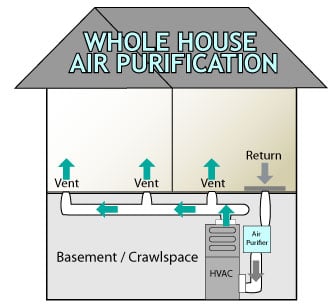
Filtration captures particles. Purification goes a step further by targeting microscopic contaminants and helping reduce biological growth. This can be especially beneficial for families with allergies, asthma, or sensitivity to odors and irritants.
- In-duct purification solutions to treat air as it moves through your system
- Disinfection-focused options that help reduce microbes in HVAC components (like coils and air handlers)
- Whole-home purification approaches that improve IAQ across every room—beyond portable units
3) Gas & Odor Controls
If your home smells “stale” or odors linger long after cooking or cleaning, the issue may be gases and VOCs rather than dust. Gas & odor control solutions are designed to reduce airborne chemicals and odor-causing compounds.
- Cooking odors, smoke, and pet smells
- VOCs from cleaners, candles, new furniture, and flooring
- Chemical fumes that can irritate eyes, nose, and throat
A strong IAQ plan often includes both particle filtration and gas/odor control because they solve different problems.
4) Humidity Control
Humidity affects comfort, health, and even the condition of your home. Too much humidity can promote mold growth and musty odors. Too little humidity can dry out skin and airways and increase static electricity.
When humidity is too high
- Mold risk increases
- Dust mites thrive
- Air feels sticky or heavy
When humidity is too low
- Dry skin, irritated sinuses, sore throat
- Static shocks
- Wood shrinkage/cracking (floors, furniture)
Whole-home humidifiers and dehumidifiers can maintain healthier, more comfortable moisture levels—especially when paired with smart controls.
5) Ventilation and Fresh Air Control
Many modern homes are sealed tightly for energy efficiency, which can trap pollutants indoors. Fresh air control helps remove stale indoor air and replace it with cleaner outdoor air—without losing comfort.
- Reduces indoor pollutant buildup and “stuffy” rooms
- Helps manage humidity and odors
- Supports healthier air circulation for the whole home
If your home gets dusty quickly, smells linger, or certain rooms feel stagnant, ventilation improvements can be a game-changer.
6) Smart IAQ Monitoring & Controls
Smart IAQ monitoring helps you measure what’s happening in your home in real time—so you can improve it with confidence. These systems can track airborne particles, VOCs, CO₂, humidity, and temperature trends.
With smart controls, your HVAC system can respond automatically—adjusting ventilation, fan runtime, or humidity equipment to keep conditions in a healthier range. It’s one of the best ways to maintain consistently clean air year-round.
Ready to Improve Your Indoor Air Quality?
Infinity Air Services can help you choose the right combination of filtration, purification, odor control, humidity control, ventilation, and smart monitoring for your home. If you’re in Southern California and want cleaner indoor air without sacrificing HVAC performance, we’re here to help.
Next step: Schedule an IAQ evaluation and we’ll recommend the best options for your home’s layout, system, and comfort goals.
Tip: Ask us about upgrading from a 1” filter to a 4–5” media filter cabinet if your system supports it.
Indoor Air Quality FAQs
Is a 5-inch filter better than a 1-inch filter?
Often, yes—because thicker media filters typically have more surface area and can capture more particles while lasting longer. The right choice depends on your HVAC system design and airflow requirements.
Can a “too strong” filter hurt HVAC performance?
It can if the filter is overly restrictive for your system. Reduced airflow can impact comfort and efficiency. That’s why matching filtration to your system is important—especially when upgrading.
What’s the difference between air filtration and air purification?
Filtration primarily captures particles like dust and pollen. Purification targets smaller contaminants and may help reduce microbes, odors, and VOCs depending on the technology used.
How do I know if my home needs humidity control?
Signs of high humidity include musty odors, condensation, and mold risk. Signs of low humidity include dry skin, irritated sinuses, and static shocks. A quick measurement can confirm whether you’re outside a comfortable range.
Does ventilation help with allergies and odors?
Yes—fresh air control can reduce stale air and dilute indoor pollutants, including odors and airborne irritants. Balanced ventilation can be especially helpful in tightly sealed homes.
Are smart IAQ monitors worth it?
If you want consistent results, smart monitoring is very useful. It helps you see real-time conditions and trends so you can make targeted improvements—and in some systems, automate adjustments.